

When should your child start learning the quran age by age guide for parents
Every Muslim parent wants their child to have a strong connection with the Quran. But one of the most common questions parents ask is: when is the right time to start?
Start too early and the child may feel overwhelmed or develop a negative association with Quran learning. Start too late and you may miss some of the most receptive years for language and memorization. Get the timing and approach right, and you lay the foundation for a relationship with the Quran that will last a lifetime.
This guide gives you a clear, practical, age-by-age breakdown so you can make the right decision for your child.
What Age Is Best to Start Quran Learning?
There is no single universally correct age, because children develop at different rates and respond differently to structured learning. However, Islamic scholars and experienced Quran teachers generally agree on a broad framework: exposure and love-building can begin as early as infancy, while structured reading instruction is typically most effective from around age four or five onwards.
The key principle to remember is that early does not mean forced. A child who associates Quran learning with pressure, punishment, or boredom will resist it for years. A child who associates it with warmth, routine, and gentle encouragement will lean into it naturally. The approach matters just as much as the timing.
Ages 3 to 5: Building the Foundation Through Listening and Love
Before a child can read a single Arabic letter, they can listen. And the years between three and five are among the most powerful for absorbing language through exposure.
At this stage, the goal is not formal instruction. It is immersion and association. Play Quran recitation in the home regularly so that the sound of the Quran becomes familiar and comforting. Teach your child short Surahs orally, through repetition and song, the same way you would teach a nursery rhyme. Surah Al-Fatiha, Surah Al-Ikhlas, Surah Al-Falaq, and Surah An-Nas are excellent starting points. Make dua together with your child and let them hear Islamic phrases used naturally in daily life.
The objective at this age is simple: your child should feel that the Quran is a beautiful, beloved, and normal part of their world. That emotional foundation is more valuable than any formal lesson at this stage.
Ages 6 to 9: Starting the Noorani Qaida and Basic Reading
By the age of six, most children have developed enough focus, fine motor skills, and cognitive readiness to begin structured Arabic reading instruction. This is when the Noorani Qaida Course becomes the natural starting point.
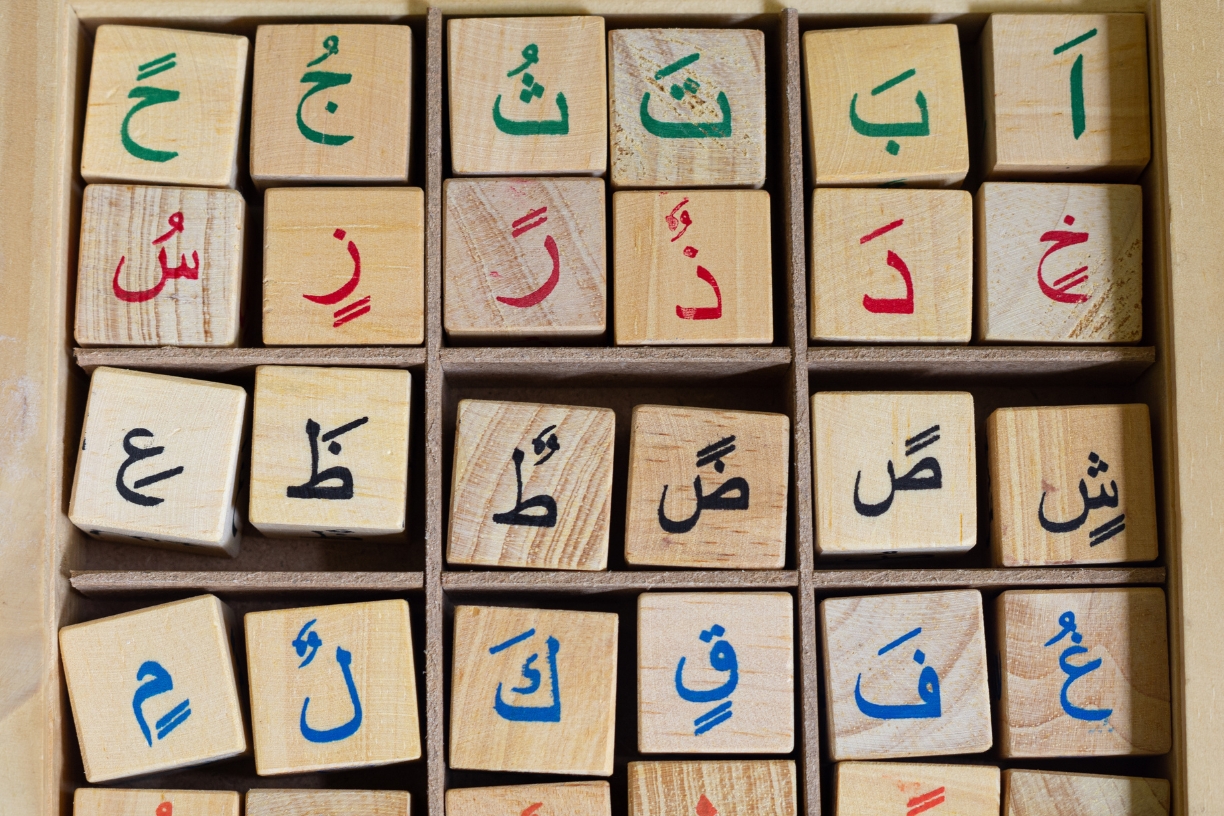
The Noorani Qaida introduces children to the Arabic alphabet, the correct pronunciation of each letter, short and long vowels, and the rules of joining letters together. It is a carefully sequenced primer that takes a child from zero knowledge of Arabic script to being able to read simple Quranic text.
At this age, lessons should be kept short and engaging. Twenty to thirty minutes per session is typically the sweet spot. Consistency matters far more than duration — two or three sessions per week maintained over months will produce far better results than occasional long sessions followed by gaps.
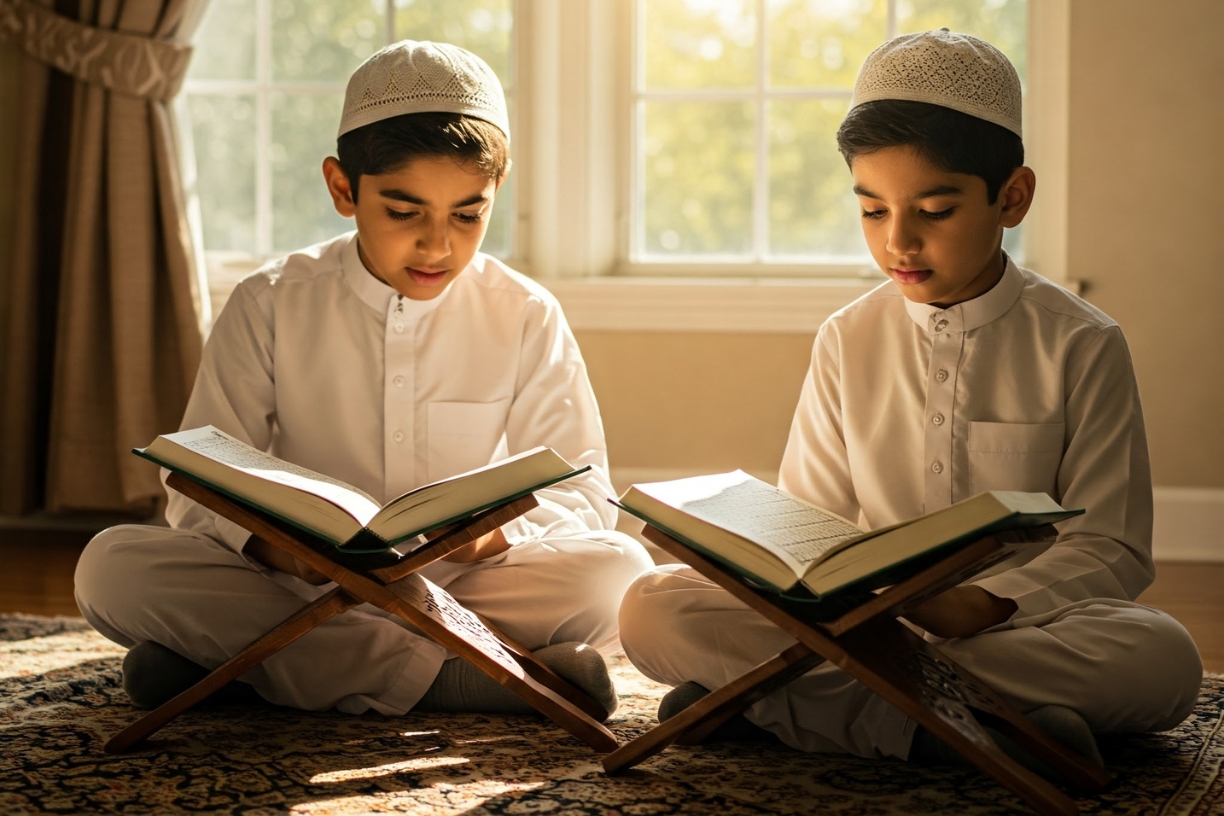
Once the Noorani Qaida is completed, children in this age group move naturally into basic Quran recitation with an introduction to Tajweed rules. Al-Badry Academy’s Quran Classes For Kids are designed specifically for this age group, with certified teachers who are experienced in keeping young learners engaged, motivated, and progressing steadily.
Alongside Quran reading, this is also an excellent age to begin introducing your child to basic Islamic knowledge. Our Islamic Classes For Kids cover age-appropriate Aqeedah, the pillars of Islam and Iman, stories of the prophets, and basic acts of worship in a way that is accessible, enjoyable, and spiritually grounding for young learners.
Ages 10 to 13: Tajweed, Recitation, and Early Hifz
By age ten, a child who has been learning consistently is typically reading the Quran with reasonable fluency and is ready to begin deepening their Tajweed and potentially embarking on Quran memorization.
This is the age where the Tajweed Rules Course becomes increasingly important. A child who has been reading the Quran for a few years will have developed habits — some correct, some not — and a structured Tajweed course at this stage catches and corrects those habits before they become deeply fixed.
This is also one of the most powerful ages for Hifz. The memory at this stage is strong, the brain is highly receptive to language learning, and a child who is motivated — especially one who has been building a positive relationship with the Quran since early childhood — can make remarkable progress in memorization. Our Quran Memorization Program is structured to support children and teenagers through Hifz at a pace that is ambitious but sustainable, with regular revision built into every stage.
For children who are ready to expand their Arabic knowledge beyond Quranic reading, the Arabic Classes For Kids introduce age-appropriate Arabic language skills that complement and deepen their Quran learning.
Signs Your Child Is Ready to Start
Every child is different, but these are reliable signs that your child is ready to begin structured Quran learning:
They can sit and focus on a single task for at least fifteen to twenty minutes. They show curiosity about the Quran, Arabic letters, or Islamic practice. They can recognise and reproduce sounds accurately when listening to you. They respond positively to the idea of having their own teacher and their own learning sessions. They have a consistent daily routine that can accommodate regular class times.
If your child is not quite there yet, do not force it. Continue the exposure approach — listening, oral Surahs, Islamic stories — and revisit structured learning in a few months. The right starting point is the one where your child feels ready and willing, not pressured.
How to Choose the Right Programme for Your Child’s Age
Whatever age your child is starting at, the most important factors in choosing a programme are the quality of the teacher, the structure of the curriculum, and the flexibility of the schedule.
A good Quran teacher for children is not just knowledgeable — they are patient, encouraging, creative, and experienced in working with young learners specifically. Children respond to energy, warmth, and a sense of fun in their lessons, and the best teachers know how to deliver serious learning in an engaging way.
At Al-Badry Academy, all of our children’s programmes are taught live, one-on-one, by certified instructors who specialise in teaching young learners. Sessions are flexible, scheduled around your family’s routine, and supported by regular progress reports so you always know how your child is developing.
Book your child’s free trial class today and let one of our experienced teachers show you exactly where your child is and what their learning path looks like going forward.